
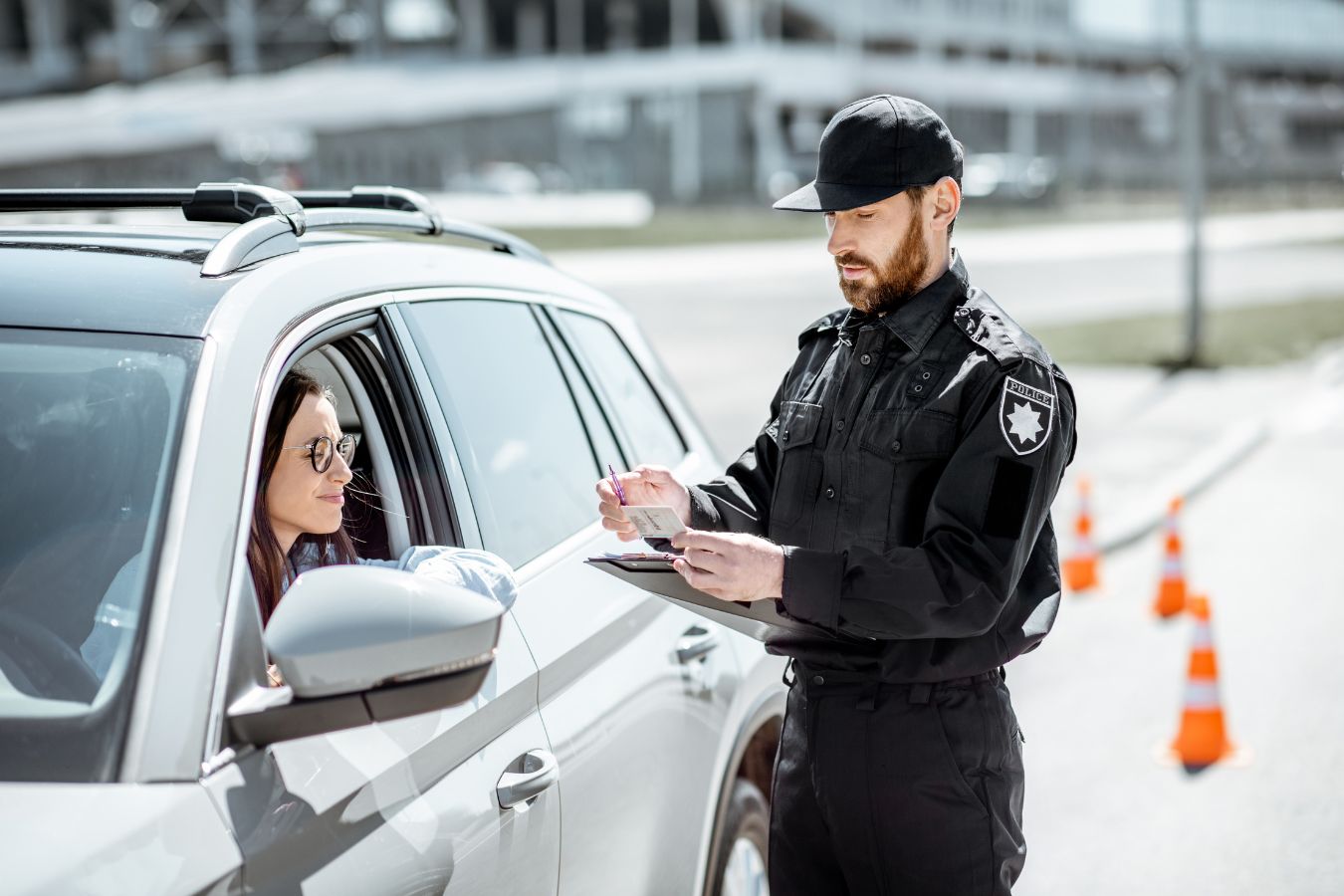
If you were pulled over and the situation escalated, leaving you injured, scared, or uncertain about what to do next, you’re not alone. Many people feel overwhelmed after a traffic stop turns physical. You might be experiencing pain, confusion, pressure from officers or investigators, and worry about what lies ahead. A Missouri Accident Lawyer or civil rights attorney can assist you in understanding your options and safeguarding your rights. Having a clear plan can also help you regain control after such a traumatic event.
Immediate Steps After an Incident of Excessive Force
If police use excessive or unjustified force, your next actions can help protect your health and legal rights.
Immediate Steps Checklist:
- Call 911 or request medical help if you are injured.
- Seek medical care as soon as possible, even for minor pain.
- Write down everything you remember as soon as you can.
- Get the officers’ names or badge numbers, if possible.
- Ask for the police report number.
- Gather contact details for witnesses.
- Preserve any photos, videos, clothing, or damaged items.
How to Document Evidence
Clear evidence can be crucial in any civil rights claim or related personal injury claim. Missouri law does not require you to prove misconduct beyond a reasonable doubt. Instead, evidence supporting your version of events can strengthen your case.
What to Capture
- Photos of injuries, bruises, cuts, or swelling
- Pictures of clothing damage or personal items
- Any available video from your phone or a bystander
- Notes on officers’ statements, attendance, threats, or physical actions.
- Your symptoms day by day in a short journal
Preserve Records
Keep copies of:
- Medical records
- Hospital discharge paperwork
- Body cam or dash cam request confirmations
- Emails or written statements from witnesses
- Any communication from law enforcement agencies
Dealing With Investigators or Insurance Adjusters
If you are contacted by investigators or insurance representatives, try to keep your responses brief and to the point. It is advisable not to give a recorded statement unless you have first consulted with a lawyer.
What Not to Do
Avoid guessing or adding details you’re unsure about. There’s no need to apologize for anything that’s happened. It’s best not to discuss the event on social media, and remember to refrain from meeting with investigators alone. Taking these steps can help ensure everything stays safe and straightforward.
Who May Be Liable
These potentially responsible parties could include individual officers who applied excessive force, supervising officers who failed to intervene, a police department responsible for hiring, training, or supervision, and a government entity in charge of policies or procedures.
Multi-party liability matters because it increases the number of possible sources for compensation. It also helps to ensure your claim captures the full scope of what went wrong during the incident.
What to Do if Law Enforcement Denies Your Complaint or Blames You
These situations occur often and are very stressful. Follow these steps to protect your interests. Keep a written record of all contact with police, including email copies, letters, or complaints. Immediately contact an attorney who can assist in collecting and preserving evidence that may become unavailable. All further communications should be done through your attorney. Keep all medical and injury-related documents in a safe and organized location.
What Compensation May Include
Depending on your case, compensation may cover:
- Medical bills
- Future medical care
- Therapy or counseling
- Lost income
- Pain and suffering
- Damage to personal property
- Long-term physical or emotional effects
Missouri allows claims based on the percentage of fault assigned. If law enforcement or investigators try to blame you, you may still recover compensation based on the share of responsibility assigned to the officer or agency.
Evidence Checklist
- Injury photos
- Clothing or damaged property
- Witness names and contact information
- Videos from bystanders or your device
- Medical records
- Complaint or internal affairs file numbers
- Any officer names or badge numbers
Why Contacting an Attorney Early Matters
An attorney can act quickly to preserve evidence such as dash cam footage, body cam footage, dispatch records, and internal reports. These records can disappear quickly if no one formally requests them. Early legal support increases the likelihood of building a clear and accurate picture of what happened.
For some people, engaging legal counsel also offers emotional reassurance. You are no longer required to communicate directly with police agencies, adjusters, or investigators, as your lawyer manages these discussions on your behalf.
If you experienced excessive force during a traffic stop in Missouri, Rah Law is here to help. Our team listens first and acts fast to protect your rights. Contact our office or use our online contact form.