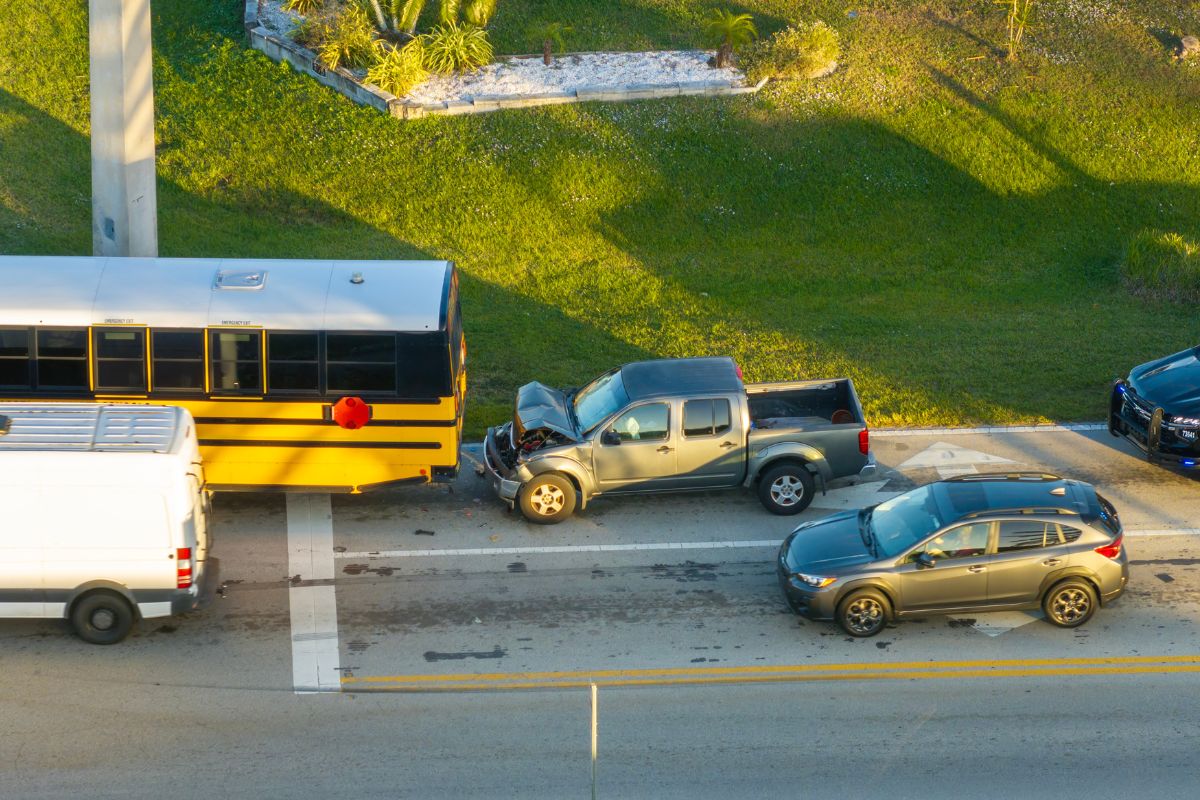

Bus accidents often result in serious injuries due to the size and weight of commercial buses and the number of passengers involved. Unlike typical car accidents, bus accident injury cases are legally complex because responsibility is rarely limited to just one party. Determining who is liable requires a detailed legal and factual analysis.
For injury victims, understanding how liability is proven is a critical step toward securing compensation. Knowing who may be responsible and what evidence is required can make a significant difference in the outcome of a claim.
Why Bus Accident Liability Is More Complicated
Bus accident cases differ from standard motor vehicle accidents for several reasons:
- Multiple parties may share responsibility
- Commercial and government entities are often involved
- Special safety regulations apply
- Higher insurance policy limits are usually at stake
Because of these factors, liability is not always obvious at first glance. A careful investigation is necessary to uncover negligence and establish fault.
Parties That May Be Liable in a Bus Accident
Bus Driver Liability
Bus drivers are required to operate their vehicles safely and responsibly. Liability may arise if a driver was:
- Speeding or driving aggressively
- Distracted or fatigued
- Under the influence of drugs or alcohol
- Failing to follow traffic laws
Driver error is one of the most common causes of bus accidents, but it is rarely the only factor.
Bus Company or Operator Responsibility
Bus companies have a duty to hire qualified drivers and maintain their vehicles. A bus company may be liable if it failed to:
- Properly train or supervise drivers
- Conduct background checks
- Enforce safety policies
- Maintain brakes, tires, or steering systems
Employer liability often applies when a driver is acting within the scope of their job.
Government Entity Liability
Many buses are owned or operated by city, county, or state agencies. When a public transit bus is involved, a government entity may be responsible for unsafe conditions, negligent operation, or inadequate maintenance.
Claims against government entities are subject to special notice requirements and shorter deadlines, making legal precision especially important.
Third-Party Liability
In some cases, responsibility may extend beyond the driver or bus company. Third parties may include:
- Maintenance contractors
- Parts or vehicle manufacturers
- Other negligent motorists
- Construction companies responsible for road hazards
Identifying third-party liability can significantly increase the compensation available to injury victims.
Key Evidence Used to Prove Liability
Proving liability in bus accident injury cases depends on strong evidence. This may include:
- Police and accident reports
- Surveillance or traffic camera footage
- Bus onboard data and event recorders
- Driver logs and employment records
- Maintenance and inspection documents
- Witness statements
- Expert accident reconstruction analysis
Each piece of evidence helps establish how the accident occurred and who failed to meet their legal duty of care.
How Negligence Is Established in Bus Accident Claims
To prove liability, injury victims must generally demonstrate four elements:
- Duty of care – The responsible party had a legal obligation to act safely
- Breach of duty – That obligation was violated
- Causation – The breach directly caused the accident
- Damages – The victim suffered injuries or losses
Bus accident cases often involve extensive documentation and expert testimony to clearly connect these elements.
Common Injuries in Bus Accidents
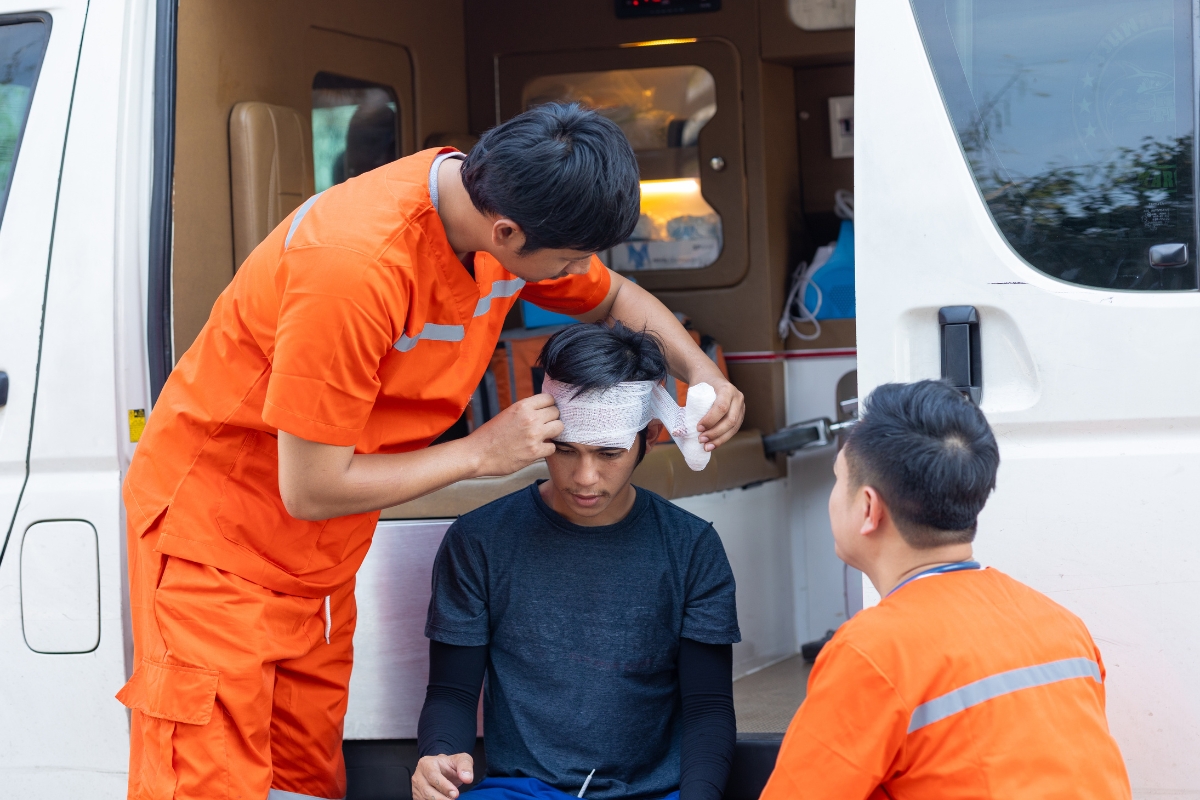
Because bus occupants often lack seat belts and buses provide limited crash protection, injuries can be severe. These may include:
- Traumatic brain injuries
- Spinal cord injuries
- Broken bones
- Internal organ damage
- Soft tissue injuries
- Psychological trauma
Proving liability is essential to recovering compensation for both immediate and long-term medical needs.
Challenges Victims Face Without Legal Guidance
Bus accident claims frequently involve powerful insurance carriers, transit authorities, or corporate defense teams. Victims who attempt to handle claims alone may face:
- Denied or delayed claims
- Incomplete investigations
- Low settlement offers
- Missed legal deadlines
Legal representation helps level the playing field and ensures that all responsible parties are pursued.
Proving liability in bus accident injury cases requires far more than showing that an accident occurred. It involves identifying all responsible parties, gathering technical evidence, and navigating complex legal standards. Because bus accidents often involve commercial operators or government entities, these cases demand careful legal strategy and timely action.
For injury victims, understanding how liability is established is a crucial step toward accountability, fair compensation, and long-term recovery.
Frequently Asked Questions (FAQs) About Bus Accident Liability
Who can be held responsible for a bus accident?
Liable parties may include the bus driver, bus company, government agency, maintenance provider, manufacturer, or another negligent motorist.
Are bus companies held to higher safety standards?
Yes. Commercial and public transportation providers must comply with strict safety regulations and industry standards.
What if the bus was operated by a city or school district?
Claims against government entities follow special legal procedures and deadlines. Acting quickly is essential.
Can multiple parties share liability?
Yes. Many bus accident cases involve shared fault among multiple parties.
How long do I have to file a bus accident injury claim?
Deadlines vary depending on the type of defendant involved. Government-related claims often have much shorter notice periods.