
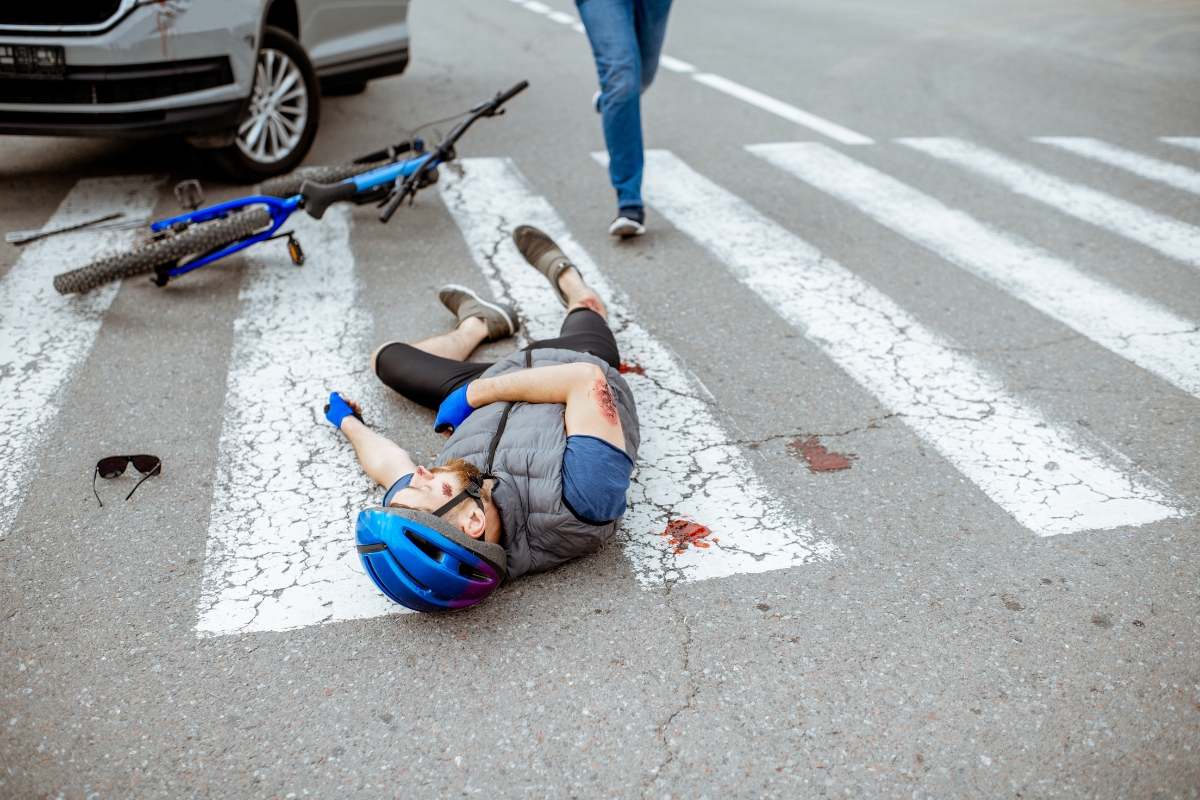
Were you hit by a vehicle while crossing the street outside a marked crosswalk and now wonder if you can still file a claim?
Many people believe that crossing outside a designated crosswalk automatically ends their right to seek compensation. In reality, that is one of the biggest misconceptions surrounding pedestrian injury cases. Missouri law does not simply look at where the collision happened. Instead, it examines the actions of everyone involved to determine who was responsible. A driver must remain alert, obey traffic laws, and take reasonable steps to avoid hitting people on or near the roadway.
At Raw Law in Springfield, we understand that these situations can quickly become overwhelming. Medical bills, lost income, and physical pain often leave victims unsure of what to do next. If you are seeking guidance from an experienced pedestrian accident lawyer in Springfield, learning how these claims work is the first step toward protecting your legal rights and financial recovery.
Does Crossing Outside a Crosswalk Mean You Cannot File a Claim?
Being outside a marked crosswalk does not automatically prevent you from pursuing compensation after being struck by a vehicle.
Many people assume the pedestrian is always at fault in these situations. However, every case is different. Missouri courts examine all available evidence before deciding who shares responsibility.
Several factors may affect the outcome, including:
- Whether the driver was speeding
- If the driver failed to pay attention
- Whether poor lighting affected visibility
- Traffic flow at the time of the collision
- Weather conditions
- The pedestrian’s actions before entering the roadway
- Whether the driver had enough time to stop safely
Simply crossing outside a crosswalk is only one piece of a much larger picture.
Understanding Missouri’s Comparative Fault Rule
Missouri follows a pure comparative fault system. This means an injured person may still recover compensation even if they contributed to the collision.
Instead of barring recovery, the compensation is reduced in proportion to the injured person’s level of fault.
For example:
- Your total damages equal $150,000
- You are found 25% responsible
- You may still recover $112,500
This rule is important because insurance companies often try to convince injured pedestrians that they have no case. That is not always true.
When Can the Driver Still Be Held Responsible?
Drivers have a continuing duty to operate their vehicles carefully. Even when someone crosses outside a designated crossing area, a driver may still be responsible if they failed to act reasonably.
Examples include:
- Speeding through a residential neighborhood
- Looking at a phone instead of the road
- Running a red light
- Ignoring a stop sign
- Driving while impaired
- Failing to yield when there was enough time to stop
- Driving aggressively around pedestrians
Every driver is expected to watch for people using or crossing the roadway, especially in areas with heavy pedestrian traffic.
Evidence That Can Strengthen Your Claim
Strong evidence often determines whether a claim succeeds.
The sooner evidence is collected, the easier it becomes to establish what really happened.
Important evidence may include:
- Police accident reports
- Security camera footage
- Traffic camera recordings
- Witness statements
- Photographs from the scene
- Medical records
- Vehicle damage
- Skid marks and roadway measurements
- Phone records if distracted driving is suspected
Preserving evidence early can prevent important information from disappearing.
Compensation You May Be Able to Recover
A pedestrian accident can leave victims with life-changing injuries that require extensive medical treatment and rehabilitation.
Depending on your situation, compensation may include:
- Emergency medical expenses
- Hospital bills
- Future medical treatment
- Physical therapy
- Lost wages
- Reduced earning ability
- Pain and suffering
- Emotional distress
- Permanent disability
- Loss of enjoyment of life
Every claim is different, and the value depends on the injuries, available evidence, and the extent of financial losses.
Common Mistakes That Can Weaken a Claim
Many injured people unknowingly make decisions that reduce the value of their claim.
Avoid these common mistakes:
- Waiting too long to seek medical care
- Assuming you have no legal rights
- Giving a recorded statement too quickly
- Accepting the first settlement offer
- Failing to document injuries
- Throwing away damaged clothing or personal belongings
- Posting details about the incident on social media
Taking the right steps immediately after the collision can significantly improve your case.
Why Insurance Companies Often Dispute These Cases
Insurance companies frequently argue that crossing outside a crosswalk automatically makes the pedestrian responsible.
Their goal is often to reduce or deny compensation.
However, liability depends on much more than the location of the collision. Investigators must examine driver behavior, roadway conditions, visibility, vehicle speed, witness testimony, and other important evidence before fault can be determined.
That is why every case deserves a careful legal evaluation rather than assumptions.
How Legal Representation Can Protect Your Rights
Claims involving shared responsibility are often more challenging than they first appear.
An attorney can:
- Investigate the collision thoroughly
- Preserve critical evidence
- Interview witnesses
- Work with accident reconstruction professionals when needed
- Handle communication with insurance companies
- Calculate the full value of damages
- Negotiate for fair compensation
- Prepare the case for trial if necessary
At Raw Law, our experienced lawyer Grant Steffen Rahmeyer carefully investigates every detail to build the strongest possible claim for injured clients. Whether your collision occurred in Springfield or a nearby community, working with a pedestrian accident lawyer in Springfield early can help preserve valuable evidence and protect your interests.
Why Local Knowledge Can Benefit Your Case
Roadway conditions vary throughout Springfield.
Busy intersections, shopping districts, school zones, residential streets, and parking lots all present different risks for pedestrians.
Understanding local traffic patterns, nearby surveillance opportunities, and the way insurance companies evaluate claims in the area can strengthen an investigation.
Having someone familiar with the local legal process often makes it easier to identify evidence that could otherwise be overlooked.
Don’t Let One Mistake Define Your Right to Compensation
Being hit outside a crosswalk does not automatically mean you lose the right to seek compensation. Missouri law considers the actions of both the driver and the injured pedestrian before assigning responsibility. A careful investigation often reveals important facts that insurance companies may overlook.
At Raw Law, Grant Steffen Rahmeyer and Judge Nancy are committed to helping injured individuals understand their legal options and pursue the compensation they deserve. If you or a loved one has been injured, speak with a pedestrian accident lawyer in Springfield to discuss your case. Book your consultation today.
Frequently Asked Questions
Can I still file a claim if I crossed the street where there was no crosswalk?
Yes. Crossing outside a crosswalk does not automatically prevent you from filing a claim. A legal review can determine whether the driver also contributed to the collision.
Will I lose my case if I was partly at fault?
Not necessarily. Missouri follows comparative fault rules, which may allow you to recover compensation even if you share some responsibility. A lawyer can explain how these rules apply to your situation.
What evidence is most important after a pedestrian collision?
Police reports, photographs, witness statements, medical records, and available video footage can all play a significant role. Acting quickly helps preserve this evidence before it disappears.
Should I accept the insurance company’s first settlement offer?
Not without understanding the full value of your claim. Early offers may not account for future medical care, lost income, or long-term effects. Consulting a lawyer first can help protect your interests.
When should I contact a lawyer after being hit by a vehicle?
As soon as possible. Early legal guidance allows important evidence to be preserved, protects your rights during insurance discussions, and helps build a stronger claim for compensation.