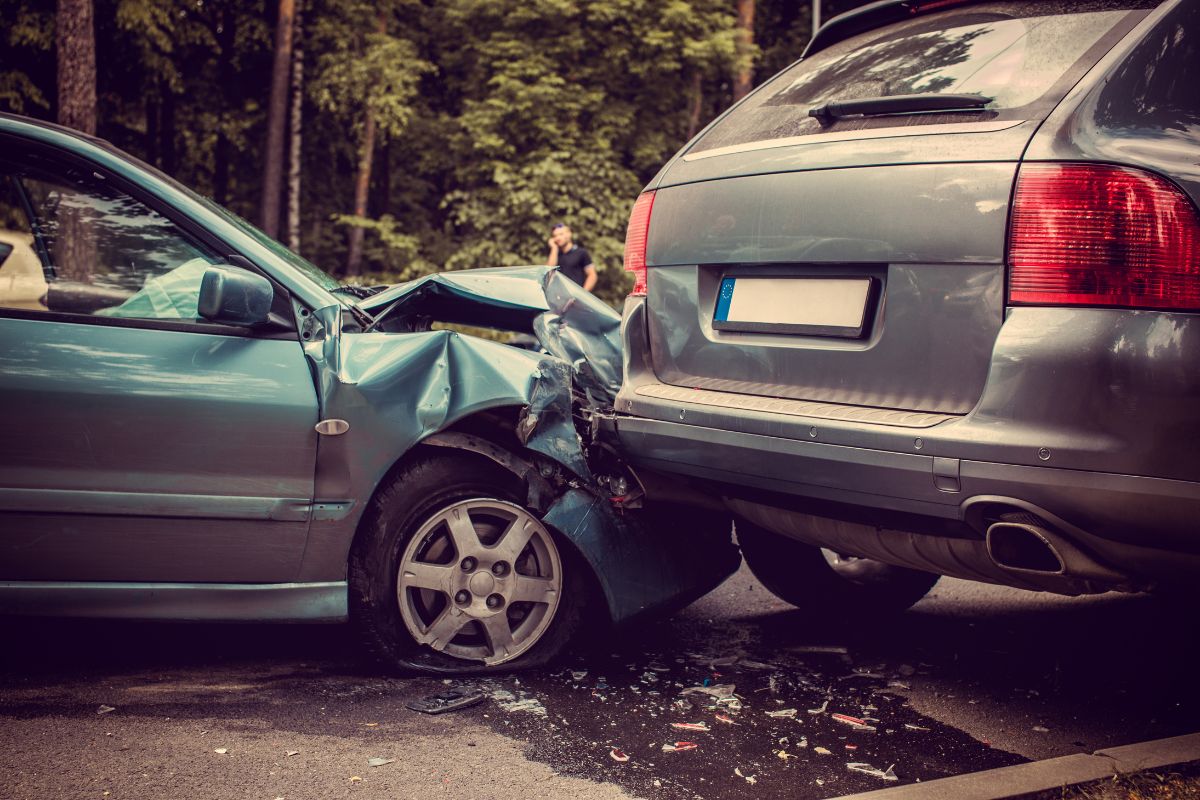

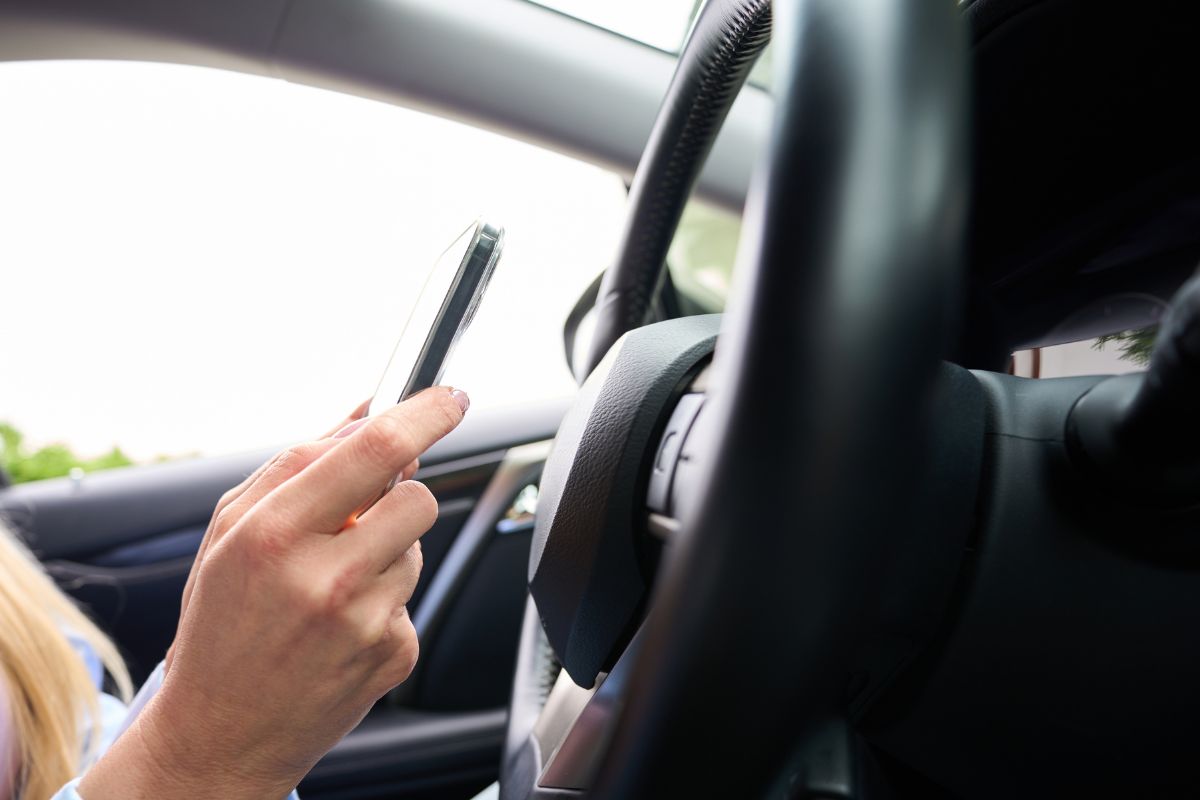
A driver checking a text message, adjusting a GPS, or looking away from the road can cause a serious collision within seconds. For injured drivers and passengers in Springfield, the consequences may include medical expenses, missed work, and ongoing physical discomfort. But can you sue someone whose distraction caused your accident?
Yes, you may sue a distracted driver if their negligence caused the collision and resulted in injuries or other legally recognized losses. However, to establish liability, you must show how the driver’s actions contributed to the accident.
Speaking with a reputed car accident attorney in Springfield can help you understand whether your circumstances support a personal injury claim.
When Can You Sue a Distracted Driver After a Car Accident?
A distracted driving lawsuit generally involves proving negligence. In legal terms, negligence occurs when someone fails to exercise reasonable care and harms another person.
To establish negligence, an injured person typically must demonstrate four elements:
- Duty of care: The driver had a legal responsibility to operate their vehicle safely.
- Breach of duty: The driver failed to exercise reasonable care.
- Causation: The driver’s conduct caused the collision and resulting injuries.
- Damages: The injured person suffered measurable losses.
For example, a driver looking at their phone while approaching an intersection on Glenstone Avenue might fail to notice stopped traffic. If that distraction causes a collision, the injured motorist may have grounds for legal action.
However, distraction alone does not automatically establish liability. The available evidence and circumstances determine whether a claim is legally supportable.
What Distracted Driving Behaviors Can Lead to Legal Liability?
Springfield drivers must comply with the Siddens Bening Hands-Free Law, which restricts certain uses of electronic communication devices while driving.
Prohibited conduct generally includes manually texting, holding electronic devices, and other device-related activities. The law also contains exceptions for specific situations.
However, distracted driving extends beyond cellphone use.
Other potentially dangerous behaviors include:
- Eating or drinking while driving.
- Adjusting entertainment or navigation systems.
- Reaching for objects inside the vehicle.
- Turning attention toward passengers.
- Looking away from traffic conditions.
These activities may support a negligence claim when evidence establishes that the distraction contributed to an accident.
A traffic violation can be relevant evidence, but it does not automatically establish civil liability.
How Do You Prove a Driver Was Distracted During an Accident?
Proving distracted driving can become challenging when the other motorist denies responsibility.
Several types of evidence may help establish what happened:
- Police reports: Officers may document statements, observations, and contributing circumstances.
- Witness statements: Other motorists or pedestrians may have observed the driver’s behavior.
- Traffic camera footage: Available recordings may reveal vehicle movements before the collision.
- Phone records: Relevant electronic activity may be examined through appropriate legal procedures.
- Accident reconstruction: Physical evidence may help explain how the collision occurred.
Preserving evidence promptly matters because recordings may be deleted and witnesses may become hard to contact.
Call our law firm now if you have questions about protecting evidence or understanding your legal options after a distracted driving collision.
A car accidents attorney in Springfield can evaluate available documentation and determine whether additional investigation may be appropriate.
What Compensation Can You Pursue After a Distracted Driving Accident?
An injured person may seek compensation for losses resulting from another driver’s negligence.
Depending on the circumstances, recoverable damages may include:
- Medical bills and rehabilitation expenses.
- Lost wages during recovery.
- Reduced future earning capacity.
- Vehicle repair or replacement costs.
- Physical pain and emotional suffering.
- Future medical treatment related to the injuries.
The amount you can recover depends on the severity of your injuries, supporting evidence, liability findings, and other legal factors.
Can You Recover Compensation If You Were Partially at Fault?
Yes, potentially. Comparative fault principles may allow an injured person to recover damages even when they share responsibility for an accident.
However, their compensation may be reduced according to their percentage of fault.
For instance, speeding or failing to maintain a proper lookout could affect how responsibility is assessed.
How Long Do You Have to File a Distracted Driving Lawsuit?
For many personal injury negligence claims arising from car accidents, the general filing deadline is five years.
However, exceptions and different deadlines may apply depending on the parties involved, the nature of the claim, and other circumstances.
Insurance reporting requirements may also involve separate deadlines.
Consulting an attorney early may help clarify which deadlines apply to your situation.
Take the Next Step Toward Understanding Your Legal Rights
Distracted driving accidents can leave injured people facing uncertainty about liability, insurance coverage, and financial recovery. Understanding the evidence and applicable legal requirements can help you decide your next steps.
If you were injured in Springfield, Nixa, Ozark, Republic, or a surrounding community, consulting our trusted car accident attorney in Springfield may help clarify your options.
Rah Law can review your collision, discuss potential legal considerations, and explain your next steps.
If you have questions about your legal options after a car accident in Springfield, visit our law firm office to discuss your situation.
Frequently Asked Questions
Can I Sue a Distracted Driver Without a Police Report?
Potentially, yes. A police report can provide useful documentation, but you don’t always need one to establish negligence. Photographs, witness statements, medical records, and other evidence may support a claim. Our team at Rah Law can evaluate the available information.
What Happens If the Distracted Driver Denies Using Their Phone?
A denial does not automatically prevent legal action. Witness observations, available video footage, and relevant electronic records may help establish whether distraction occurred. Obtaining certain records may require formal legal procedures.
Can I Sue If the Distracted Driver Has No Insurance?
You may still have legal options, although recovering compensation can become more complicated. Uninsured motorist coverage, the driver’s financial circumstances, and other factors may affect your ability to recover. Our lawyer can review possible sources of compensation.
Can a Passenger File a Lawsuit Against a Distracted Driver?
Yes, a passenger injured because of negligent driving may have grounds for a personal injury claim. Depending on the circumstances, liability may involve the driver of the passenger’s vehicle or another motorist. Supporting evidence remains necessary.
Do Distracted Driving Accident Cases Always Go to Court?
No, some claims resolve through insurance negotiations without proceeding to trial. However, you may need to file a lawsuit when responsibility or damages remain disputed. The appropriate approach depends on the specific circumstances.
Can I File a Claim If My Injuries Appear Minor?
Minor injuries may support a claim when negligence caused compensable harm. Medical documentation can help establish the nature of the injuries and their relationship to the accident. Our team at Rah Law can assess whether pursuing compensation is appropriate.