


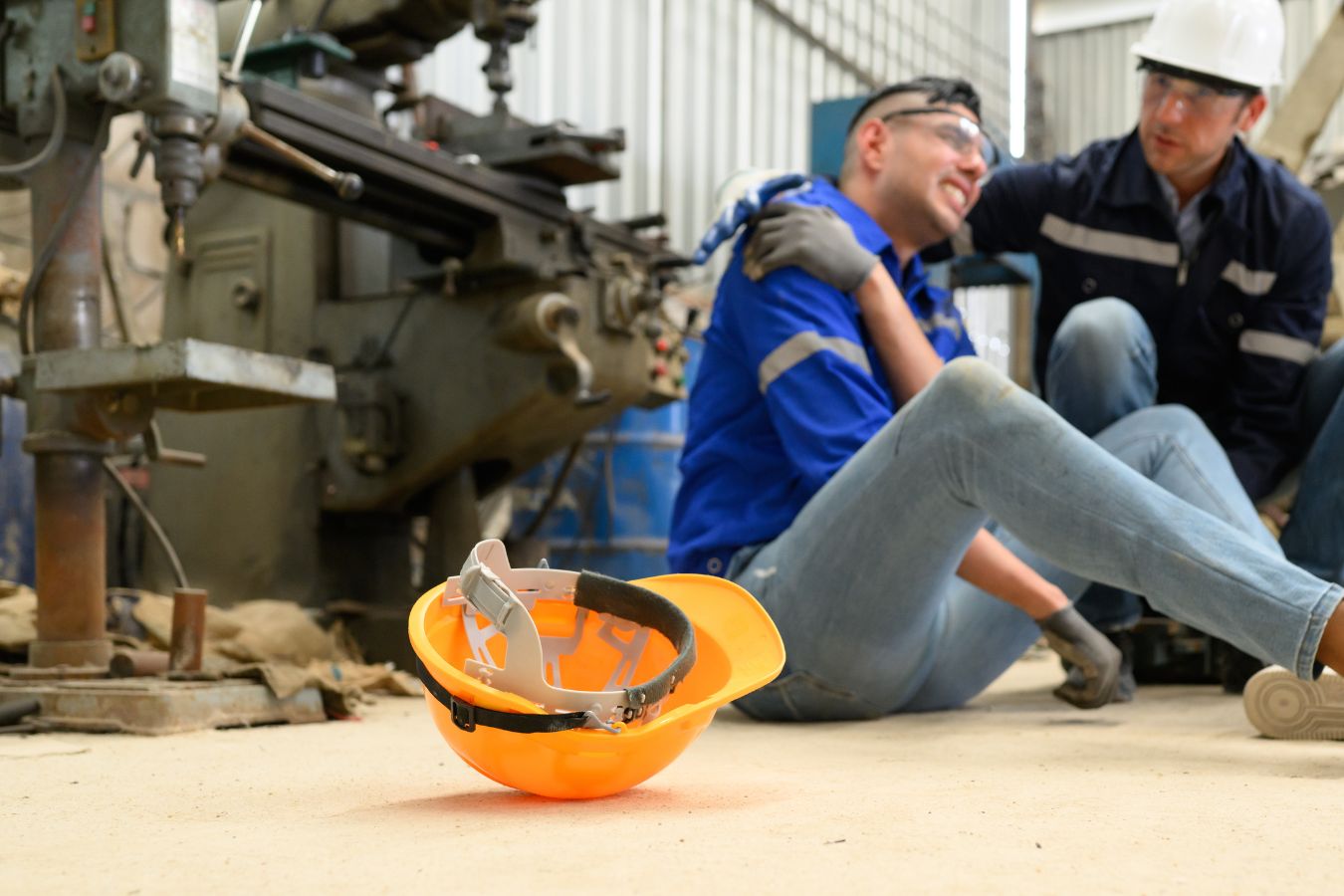
Workplace injuries can occur across Missouri, especially in industries such as manufacturing, construction, transportation, and agriculture. Most of these injuries result from risky work situations, but some occur due to less obvious factors, such as faulty or unsafe equipment. If a machine or tool breaks down because of a defect or poor design, the company that made or sold it might be held responsible—sometimes even more than your employer.
At Rah Law, we help injured workers uncover the actual causes of their workplace accidents, even when they involve factors beyond the job site. Holding equipment manufacturers legally responsible can often secure a settlement that surpasses typical workers’ compensation benefits. We’re here to support you every step of the way.
How Equipment Defects Lead to Workplace Injuries
Missouri employers depend on heavy machinery, advanced tools, and specialized equipment to operate effectively. When any component of this equipment fails, the consequences can be severe. Failures can happen during routine use, even if workers adhere to safety protocols and have proper training.
Examples of equipment failures include:
• Machine parts breaking during operation
• Power tools overheating, shocking, or exploding
• defective Safety guards
• Conveyor systems are malfunctioning
• Forklifts with steering or brake issues
• Protective gear that fails
• Faulty wiring or sensors in equipment
These incidents often lead to severe injuries because they involve high force, heavy materials, or fast-moving parts.
Understanding Manufacturer Liability
Missouri law permits individuals to bring a third-party claim against a manufacturer when a workplace injury is caused by defective equipment. In contrast to workers’ compensation, which provides only limited benefits, such a claim can secure complete and comprehensive compensation.
Liability may arise from:
• Design flaws
• Manufacturing defects
• Inadequate warnings
• Improper testing
• Poor quality control
• Unsafe modifications before reaching the workplace
Missouri’s product liability laws govern these cases, holding companies accountable for unsafe products.
Product Liability in the Workplace: How It Works
To hold a manufacturer liable, you must show the equipment was defective when it left their control and that the defect directly caused your injury. Although this seems straightforward, equipment liability cases are often complex and require detailed investigation, expert analysis, and technical assessment.
Evidence may include:
• Maintenance and repair records
• Safety reports
• Photos of the equipment
• Witness statements
• Inspection logs
• Expert evaluations of the machinery
• Manufacturer manuals or design documents
Many companies try to avoid liability by claiming the equipment was misused or not properly maintained. A thorough investigation can help disprove these claims and prove that the defect existed well before the equipment arrived at the job site.
Common Injuries Caused by Defective Workplace Equipment
Due to the involvement of heavy machinery, equipment failures frequently result in serious or permanent injuries, including:
• Crushed limbs
• Traumatic amputations
• Severe burns
• Head or brain injuries
• Back and spinal trauma
• Electrical shock injuries
• Deep lacerations
• Damage to shoulders, knees, or joints
These injuries can be deeply traumatic, often requiring surgery, ongoing care, or rehabilitation. The lasting effects might affect your ability to work, move freely, and live your life fully.
How This Differs From a Workers’ Compensation Claim
Workers’ compensation helps cover medical expenses and part of your lost wages, but it doesn’t include pain and suffering, future earning loss, or full disability damages. By filing a third-party claim against the equipment manufacturer, you might be able to pursue the additional compensation that workers’ comp can’t offer.
You may be able to recover:
• Full lost wages
• Loss of future earning ability
• Medical bills and long-term treatment
• Pain and suffering
• Permanent disability
• Scarring and disfigurement
• Emotional distress
Many injured workers are often surprised to learn that they can pursue both a workers’ compensation claim and a product liability claim simultaneously. These claims support, not oppose.
Why These Cases Require Quick Action
Manufacturers tend to act swiftly to safeguard themselves, risking evidence loss if not secured promptly. Immediately seek legal assistance to ensure experts can examine the defective equipment before anyone repairs, replaces, or discards it, preventing modifications from complicating the investigation.
An equipment malfunction injury lawyer can act quickly by sending preservation letters, working with engineers, and securing critical documents to prevent evidence loss. Workplace injuries from equipment failures are complex cases requiring knowledge of safety and product liability. If a defective product causes harm, you deserve full accountability, not just workers’ compensation.
At Rah Law, we’re here to support injured workers in Missouri by uncovering the true causes of their injuries and standing firm against manufacturers who might try to deny responsibility. If defective equipment contributed to your injury, we will investigate the issue, build your claim carefully, and guide you toward the compensation you deserve to move forward with confidence.