
A serious car wreck can leave you dealing with injuries, emotional stress, lost income, vehicle damage, and countless questions about what comes next. While seeking medical care should always come first, protecting your legal rights is equally important. One of the biggest factors that can influence the outcome of an insurance claim or lawsuit is the quality of the evidence you can provide. At Raw Law, located in Springfield, we have seen how strong documentation can make a meaningful difference when pursuing compensation after a collision.
If you are searching for a car wreck lawyer in Springfield, understanding what evidence to collect from the very beginning can help protect your claim and improve your chances of recovering the compensation you deserve.
Whether your accident happened in Springfield or a nearby Missouri community, acting quickly can prevent valuable evidence from being lost. This guide explains the types of evidence that can strengthen your claim, why each piece matters, and the common mistakes that can weaken your case.
Why Is Evidence So Important in a Car Accident Claim?
Every insurance claim is built on proof. It is not enough to simply explain what happened. Insurance companies and courts rely on evidence to determine:
- Who was responsible for the collision
- How the accident occurred
- The severity of the injuries
- The financial losses caused by the accident
- Whether compensation should be awarded
Without strong evidence, even a legitimate claim may face unnecessary delays, reduced settlement offers, or outright denial.
The stronger your evidence, the stronger your negotiating position becomes.
What Evidence Should You Collect Immediately After a Car Wreck?
The hours and days following a vehicle collision are often the most important. Some evidence disappears quickly, while memories become less reliable over time.
Here are the most valuable forms of evidence you should preserve.
1. The Official Police Report
A police report is often one of the first documents reviewed by insurance adjusters.
Although it does not automatically determine fault, it provides an objective record of the incident and typically includes:
- Date and time of the accident
- Exact location
- Driver information
- Witness contact details
- Road and weather conditions
- Traffic citations issued
- Officer observations
- Preliminary assessment of what caused the collision
Always request a copy once it becomes available.
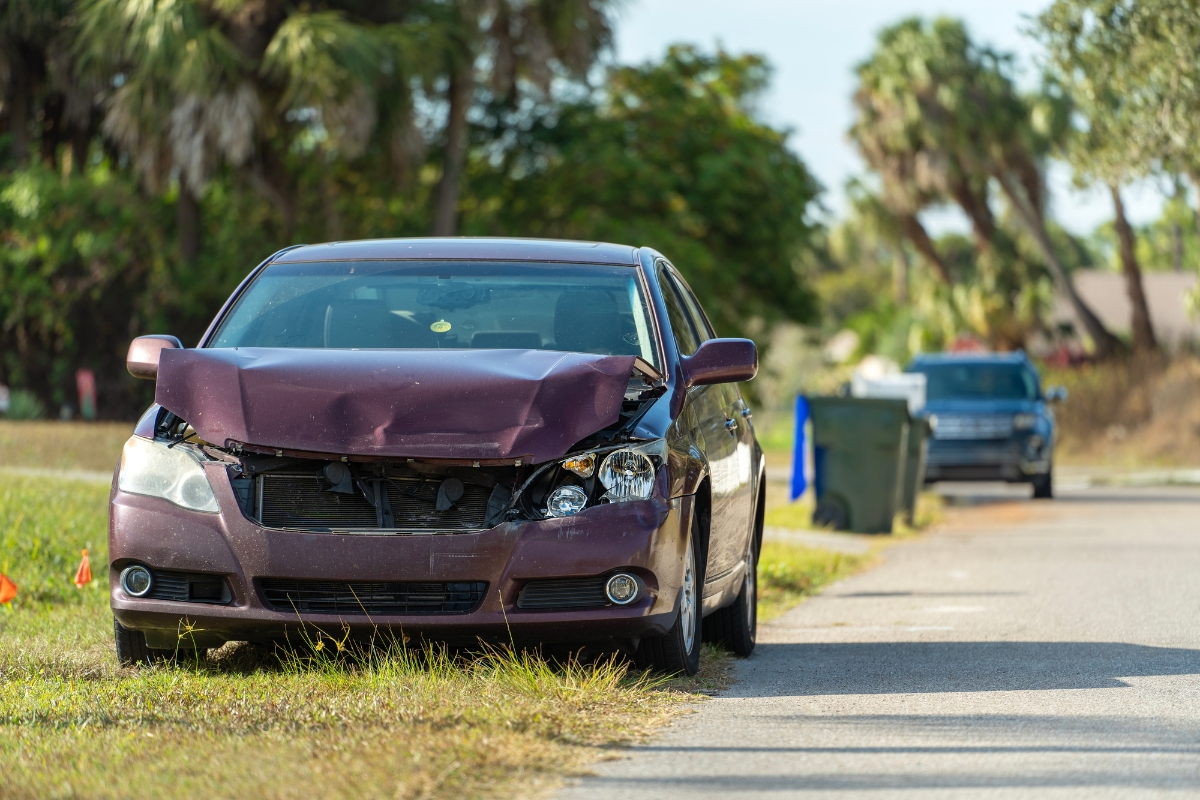
2. Photographs From the Accident Scene
Photographs preserve details exactly as they appeared before vehicles were moved or repaired.
Take clear pictures of:
- Vehicle damage
- License plates
- Tire marks
- Broken glass
- Debris
- Traffic lights
- Stop signs
- Road conditions
- Weather conditions
- Visible injuries
- Nearby buildings and intersections
Do not assume one or two photos are enough. Capture multiple angles from different distances.
High-quality photographs often become valuable evidence during settlement negotiations.
3. Video Footage Can Tell the Complete Story
Many accidents today are captured on video.
Possible sources include:
- Dash cameras
- Traffic cameras
- Security cameras from nearby businesses
- Residential doorbell cameras
- Other drivers’ dashcams
Unlike witness testimony, video footage provides a real-time record of what happened.
This evidence may clearly show:
- Speed
- Lane position
- Traffic signal colors
- Unsafe driving behavior
- Driver distraction
- Impact sequence
Because many surveillance systems automatically overwrite recordings within days, obtaining footage quickly is extremely important.
4. Witness Statements Add Independent Support
Independent witnesses often lend credibility because they have no personal stake in the outcome.
If possible, collect:
- Full name
- Phone number
- Email address
- Brief written statement
- Audio or video statement if they agree
Witnesses often notice details that drivers involved in the accident may not remember due to stress or injuries.
Their observations can become especially valuable if the other driver disputes liability.
5. Medical Records Connect Your Injuries to the Accident
One of the biggest mistakes accident victims make is delaying medical treatment.
Prompt medical attention helps:
- Protect your health
- Create a clear timeline
- Document injuries
- Connect those injuries directly to the accident
Medical records typically include:
- Emergency room reports
- Diagnostic imaging
- Physician evaluations
- Surgical records
- Physical therapy notes
- Prescription records
- Treatment recommendations
Insurance companies often review these documents carefully when evaluating claims. If there are major gaps in treatment, they may argue that your injuries were unrelated or less serious than claimed.
6. Medical Bills Help Prove Financial Losses
Medical records explain your injuries.
Medical bills show their financial impact.
Keep copies of every expense related to treatment, including:
- Emergency transportation
- Hospital visits
- Specialist appointments
- Physical therapy
- Prescription medications
- Medical equipment
- Follow-up care
Future treatment estimates may also support compensation for ongoing medical needs.
7. Vehicle Repair Estimates and Property Damage Documentation
Do not repair your vehicle before thoroughly documenting its condition.
Keep copies of:
- Repair estimates
- Repair invoices
- Insurance inspection reports
- Total loss evaluations
- Tow truck receipts
- Rental vehicle expenses
Vehicle damage often helps accident reconstruction specialists understand how the collision occurred.
It may also support claims regarding impact force and injury severity.
8. Preserve Every Communication With Insurance Companies
Insurance companies keep detailed records of every interaction.
You should do the same.
Save copies of:
- Emails
- Letters
- Claim numbers
- Settlement offers
- Recorded statement requests
- Written correspondence
- Notes from phone conversations
Maintaining organized records helps prevent misunderstandings and creates a clear timeline of your claim.
9. Electronic Evidence Is Becoming Increasingly Important
Modern vehicles generate significant amounts of digital information.
Depending on the circumstances, valuable electronic evidence may include:
- Vehicle event data recorder (“black box”) information
- GPS history
- Mobile phone records
- Text message activity
- Call logs
- Vehicle computer data
This information may reveal speeding, sudden braking, distracted driving, or other important factors that contributed to the car wreck.
Because electronic records may be deleted or overwritten, preserving them early can strengthen your case considerably.
10. Employment Records
If your injuries prevent you from working, documentation from your employer becomes essential.
Helpful records include:
- Pay stubs
- Tax returns
- Employer verification letters
- Attendance records
- Missed work documentation
- Reduced earning capacity evaluations
These records help calculate wage losses and demonstrate the financial impact of your injuries.
When preparing a claim, Raw Law carefully reviews every available document to identify evidence that supports both current and future damages. In more complex cases, our experienced lawyer, Grant Steffen Rahmeyer, works closely with investigators and other professionals to preserve critical evidence before it disappears. If you need guidance from a car wreck lawyer in Springfield, obtaining legal advice early can make it easier to secure documents that might otherwise be lost.
What Evidence Do Insurance Companies Look at Most?
Insurance companies evaluate every claim differently, but certain types of evidence consistently carry more weight. The more complete your documentation is, the harder it becomes for an insurer to question your version of events.
The evidence adjusters often review first includes:
- Police accident reports
- Medical records and treatment history
- Accident scene photographs
- Video footage
- Witness statements
- Vehicle damage assessments
- Repair estimates
- Medical bills
- Proof of lost wages
- Expert opinions
When several pieces of evidence support the same facts, your claim becomes much stronger.
Can You Still Recover Compensation if Some Evidence Is Missing?
Yes, many successful claims move forward even when certain evidence is unavailable.
For example, you may not have:
- Video footage
- Independent witnesses
- Professional photographs
That does not automatically prevent you from recovering compensation.
An experienced legal team can often strengthen a claim using:
- Medical documentation
- Police investigations
- Accident reconstruction
- Expert testimony
- Vehicle inspection reports
- Electronic vehicle data
- Additional witness interviews
The key is acting quickly before remaining evidence disappears.
Common Mistakes That Can Weaken a Car Accident Claim
Many people unknowingly damage their own claims after an accident. Avoiding these mistakes can make a significant difference.
Delaying Medical Treatment
Waiting several days or weeks before seeing a doctor may allow insurers to argue that your injuries were unrelated to the accident.
Failing to Take Photos
The accident scene changes quickly. Vehicles are moved, debris is cleared, and weather conditions change.
Throwing Away Receipts
Every expense related to the accident should be documented.
Examples include:
- Prescription costs
- Mileage for medical appointments
- Parking fees
- Medical equipment
- Rental vehicle expenses
Posting on Social Media
Photos or comments shared online may be taken out of context and used against your claim.
Even an innocent post can create unnecessary questions about your injuries.
Giving Recorded Statements Too Soon
Insurance adjusters often request recorded statements shortly after an accident.
Before providing detailed statements, it is wise to understand how your words may affect your claim.
How Long Should You Keep Accident Evidence?
Do not discard documents simply because your vehicle has been repaired or your medical treatment has ended.
Keep copies of:
- Medical records
- Bills
- Repair invoices
- Insurance correspondence
- Wage documentation
- Police reports
- Photographs
- Videos
- Witness information
Organizing everything in one location makes future negotiations much easier if additional documentation is requested.
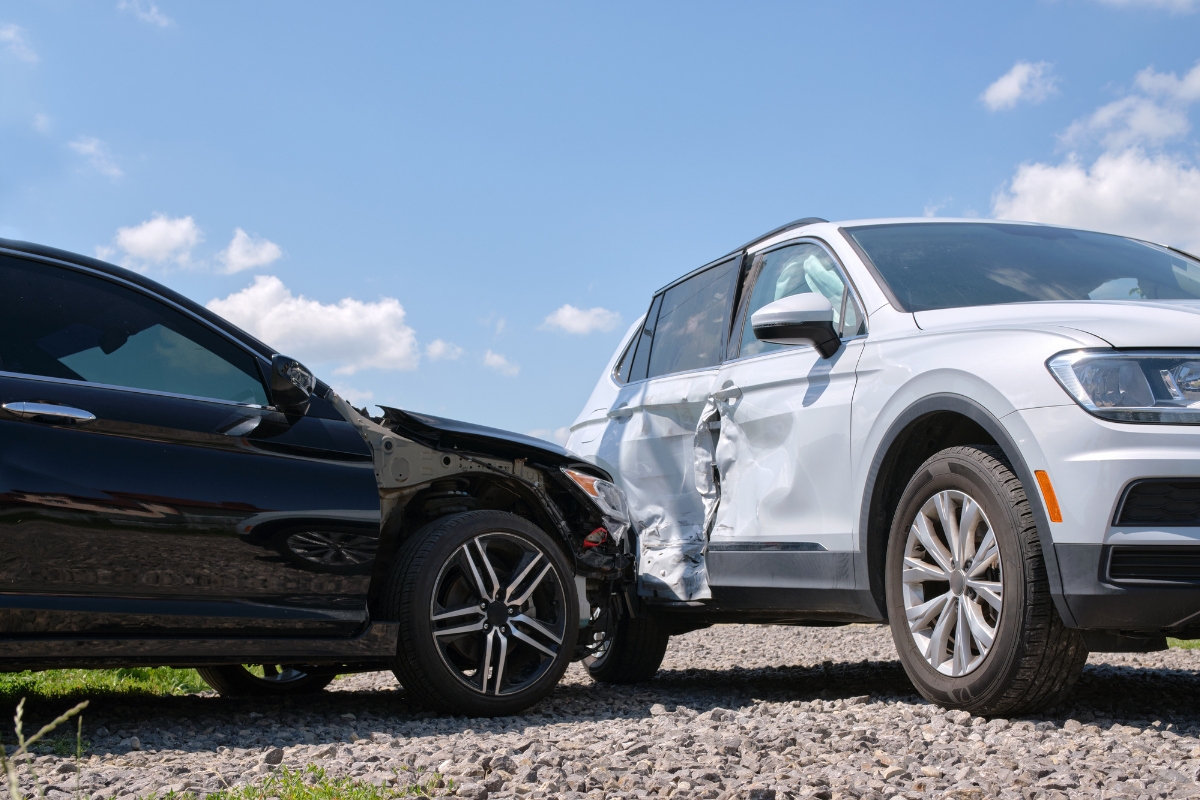
What Happens if the Other Driver Disputes Fault?
Disagreements over fault are common after a car wreck.
When the other driver denies responsibility, evidence becomes even more important.
Your claim may rely on:
- Crash scene photographs
- Police findings
- Witness testimony
- Vehicle damage patterns
- Medical records
- Electronic vehicle data
- Surveillance footage
- Accident reconstruction reports
Together, these pieces help establish how the collision occurred and who was responsible.
How Legal Representation Helps Preserve Important Evidence
Many forms of evidence are time-sensitive: security camera footage may be erased within days, witnesses may become difficult to contact, electronic vehicle data can sometimes be lost, and medical records become harder to organize as treatment continues.
Working with a reputable car wreck lawyer in Springfield early allows important evidence to be identified, preserved, and presented effectively. A well-prepared claim also demonstrates that every aspect of your damages has been carefully documented, making negotiations more productive.
Evidence Checklist After a Car Wreck
If you are involved in a car wreck, use this checklist as soon as it is safe to do so.
✔ Call law enforcement.
✔ Seek immediate medical attention.
✔ Take photographs from multiple angles.
✔ Record videos of the accident scene.
✔ Collect witness contact information.
✔ Exchange insurance information.
✔ Obtain a copy of the police report.
✔ Save every medical bill and receipt.
✔ Document lost wages.
✔ Preserve emails and insurance correspondence.
✔ Keep repair estimates and invoices.
✔ Maintain a journal describing your recovery and daily limitations.
Following these steps can significantly strengthen your claim.
Strengthen Your Claim With the Right Legal Guidance
Strong evidence is the foundation of every successful accident claim. From police reports and medical records to surveillance footage and financial documentation, every detail helps tell the complete story of how the car wreck affected your life. Acting quickly allows you to preserve critical evidence before it disappears and strengthens your ability to pursue fair compensation.
If you were injured due to a car accident, Raw Law in Springfield or a nearby community is here to help you understand your options and protect your rights. Grant Steffen Rahmeyer and Judge Nancy are committed to helping clients build well-supported claims with the documentation needed for a thorough legal strategy. If you are looking for an experienced car wreck lawyer in Springfield, book your consultation today by calling and take the next step toward pursuing the compensation you deserve.
Frequently Asked Questions
What Is The Strongest Evidence In A Car Accident Claim?
There is no single piece of evidence that guarantees success. Claims are strongest when police reports, medical records, photographs, witness statements, and financial documentation all support the same sequence of events.
Can Photographs Alone Prove Fault?
Photos are extremely valuable, but they are usually evaluated alongside police reports, witness statements, medical records, and other supporting evidence.
Should I Save Every Medical Receipt?
Yes, medical expenses help demonstrate the financial impact of your injuries and may support compensation for both current and future treatment.
Can Surveillance Footage Help My Claim?
Absolutely, footage from traffic cameras, businesses, or residential security systems may clearly show how the collision occurred and who was responsible.
When Should I Speak With An Attorney After An Accident?
It is generally beneficial to seek legal guidance as early as possible to preserve important evidence before it is lost or destroyed.